Iran's Leadership Transition: Vengeance and Regional War Loom
The Middle East finds itself teetering on the precipice of an unprecedented regional conflict following the confirmed death of Iran's Supreme Leader, Ayatollah Ali Khamenei.
Geopolitical Quake: Chamenei's Death Reshapes Middle East describes this as a pivotal moment, and indeed, reports emerging from Iran and international channels paint a grim picture of escalating tensions. This event, far from ending the deep-seated hostilities, has tragically elevated the conflict to a qualitatively new phase, making a broader war in the region not just a possibility, but an increasingly likely outcome. As Iranian reports concerning Khamenei's demise spread, the immediate aftermath has plunged the region into a state of profound uncertainty, with the prospect of swift, brutal vengeance casting a long shadow over an already volatile geopolitical landscape.
The Unthinkable Occurs: Khamenei's Demise and Immediate Aftermath
In the early hours of February 28th, the world received confirmation that Ayatollah Ali Khamenei, the long-reigning Supreme Leader of the Islamic Republic of Iran, had been killed in a series of targeted US-Israeli air attacks on his residence. Iranian state media, including agencies like IRNA and Fars, confirmed his death, describing the 86-year-old religious leader as having died "as a martyr." This devastating blow, a meticulously planned operation years in the making, involved precise intelligence gathering and a decisive political resolution that ultimately paved the way for the attack.
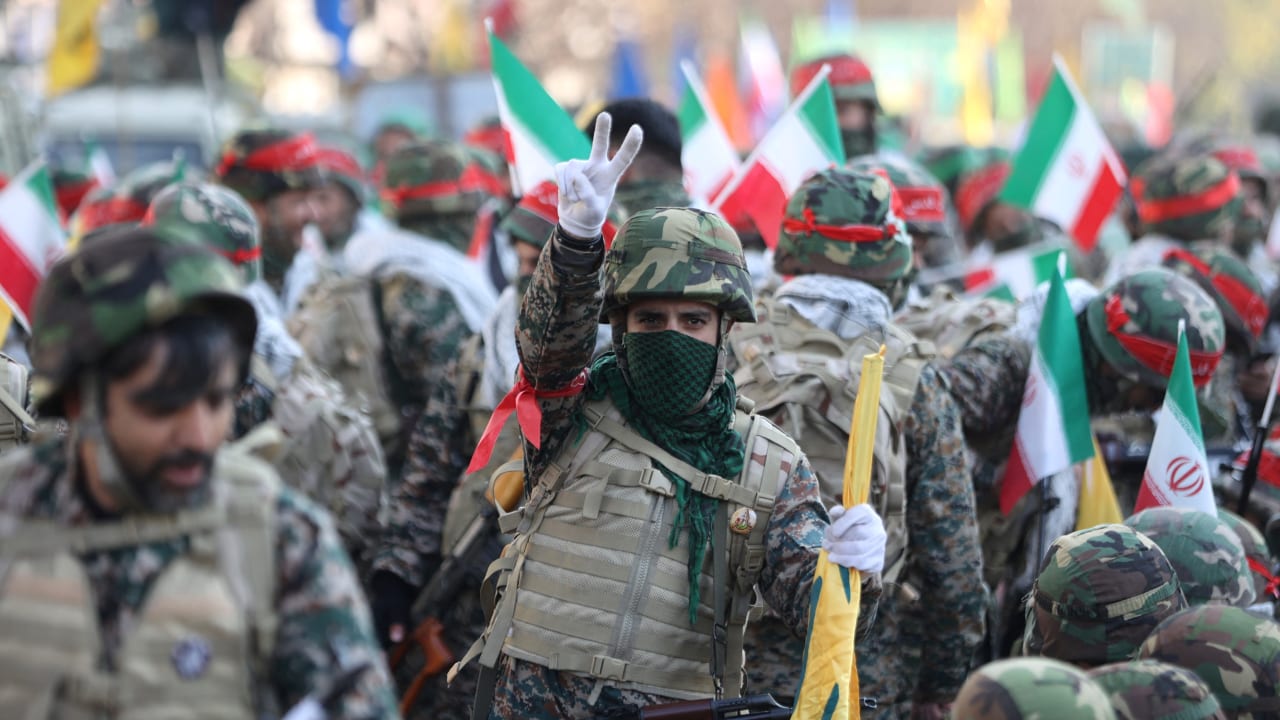
The immediate reaction within Iran was starkly divided. While the Islamic Revolutionary Guard Corps (IRGC) swiftly vowed "vengeance" for the killing of their revered leader, reports also surfaced of spontaneous celebrations in the streets of some Iranian cities, a testament to the complex internal dynamics and divisions within the country. Despite the seismic shock of Khamenei's death, an interim three-member council was quickly formed, demonstrating a surprising degree of institutional resilience. Initial
After Chamenei: Iran's Future and Escalating Mideast Conflict analyses suggest that the institutional order within Iran has, for now, largely remained intact, even as the nation grapples with the loss of its paramount figure.
However, the calls for revenge by the IRGC are not to be underestimated. For Tehran, the elimination of its highest political and religious authority during an ongoing military confrontation is not merely an act of war; it is a profound principle question, demanding an unequivocal and forceful response. The nature of this response – whether immediate and direct, or delayed and asymmetric – will define the coming days and weeks.
A New Phase of Conflict: From Skirmishes to Systemic Confrontation
The elimination of Ayatollah Ali Khamenei marks a dramatic strategic turning point, shifting the confrontation between Iran and the US-Israel axis into an entirely new dimension. This was no mere tactical strike or a demonstration of power; it was a crippling blow against the very pinnacle of the Iranian state apparatus. This act has transformed what was once a series of limited skirmishes and proxy conflicts into the potential genesis of a far more comprehensive and systemic confrontation across the Middle East.
Reports flooded in on February 28th detailing a surge in military activities and attacks across the Persian Gulf region. From the United Arab Emirates to Qatar, Bahrain, and Saudi Arabia, the ripple effects were felt immediately. Even isolated incidents in neighboring airspace underscored a harsh truth: the conflict is no longer geographically contained. Iranian drones reportedly struck US bases, while new waves of attacks targeted Beirut and Tehran. Israel, in turn, reported an attack on an unspecified nuclear weapons complex, indicating an alarming escalation in targets and stakes. The security architecture of the region, already fragile, is now under immense pressure, pushing the Middle East to the very brink of a full-scale war.
The closure of airports following the attacks has exacerbated the situation for affected individuals and their families at home, highlighting the immediate and disruptive impact on civilian life. This logistical chaos is a stark reminder of how rapidly widespread conflict can affect ordinary citizens, creating an urgent need for clear guidance on travel and safety protocols in a rapidly evolving crisis.
Geopolitical Ripple Effects and the Global Stage
The repercussions of Khamenei's death extend far beyond the immediate battlegrounds. Global oil prices surged following the US-Israeli strikes, with the potential for the de facto closure of the Strait of Hormuz – a critical chokepoint for global oil shipments – threatening to further destabilize international markets and trigger an energy crisis.
The international community's response has been complex and varied. The Kremlin, for instance, condemned the attacks but remained notably passive militarily. This raises critical questions: Is this a sign of growing distance between Moscow and Tehran, or is there a larger, underlying deal at play, perhaps involving a future Trump administration? Meanwhile, nations like India, as explained by Smruti Pattanaik, have adopted a hesitant stance, carefully weighing their geopolitical interests amidst the escalating tensions. For New Delhi, navigating these volatile waters means balancing energy needs, diaspora safety, and strategic partnerships, all while avoiding taking sides in a conflict with potentially global ramifications.
For the US President, the situation presents a monumental dilemma. If Tehran's leadership manages to survive the initial 72 hours of intense pressure and potential retaliatory strikes, the President will face a high-stakes decision. This choice will inevitably pit the demands of his domestic "MAGA" base, which might favor aggressive posturing, against his broader geopolitical ambitions, which necessitate stability and strategic alliances. The decision will not only shape the future of the Middle East but also define his foreign policy legacy.
Navigating the Uncertainty: What Comes Next for Iran and the Region
Despite the formation of an interim council, the stability of Iran's internal power structure in the long term remains a critical question. While the institutional order appears robust in the immediate aftermath, the absence of Khamenei's unifying authority could lead to internal power struggles, particularly among hardliners vying for influence. The Revolutionary Guards' sworn oath of vengeance signals a clear intent to retaliate, but the form and timing of this retribution will be crucial. Will it be a direct military confrontation, further proxy attacks, or a concerted effort to destabilize US and Israeli interests globally?
The regional security order, already precarious, is now facing its ultimate test. The elimination of a nation's supreme leader by external powers is an unprecedented act that establishes a dangerous new precedent for international relations. It intensifies the "principle question" for Iran, compelling it to respond with force to maintain its credibility and deter future assaults on its sovereignty. This sets the stage for a protracted period of heightened military alerts, cyber warfare, and potential overt military actions that could quickly spiral out of control.
For citizens throughout the region, the situation is fraught with peril. Beyond the immediate chaos of closed airports and disrupted travel, there is the overarching fear of widespread conflict. The need for robust emergency protocols, safe evacuation routes, and continuous, accurate information from reliable sources has never been more critical.
**Practical Tips in a Time of Crisis:**
* **Stay Informed:** Follow reputable international news sources and official government advisories for real-time updates.
* **Safety First:** If you are in the affected region, prioritize personal safety, adhere to local curfews, and have an emergency plan.
* **Travel Precautions:** Check with airlines and embassies for travel advisories and flight status before making any plans. Be prepared for significant disruptions.
* **Financial Awareness:** Be mindful of potential fluctuations in global markets, particularly oil and currency exchanges, if you have investments.
Conclusion
Ayatollah Ali Khamenei's death at the hands of US-Israeli attacks has irrevocably altered the geopolitical landscape of the Middle East. What was once a simmering conflict has now erupted into a profound challenge to regional stability, with the ominous shadow of vengeance and full-scale war looming large. As Iranian reports continue to detail the aftermath, the world watches with bated breath, understanding that the decisions made in the coming days by Tehran, Washington, and Jerusalem will not only determine the fate of millions but also reshape the global order for decades to come. The stakes have never been higher, and the path forward is fraught with peril, demanding cautious diplomacy alongside a robust readiness for the escalating confrontation.